Weird but Normal Habits
British Shorthairs have a few quirks that make new owners wonder whether something's wrong. Usually it isn't. Here's what's normal, and when it's worth a closer look.
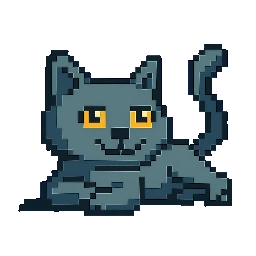
- The sploot (lying flat with back legs stretched out behind): completely normal, and a sign of a relaxed cat. The same goes for the 'loaf' with paws tucked in.
- Not much of a jumper: British Shorthairs are heavy, solid cats, and many prefer the sofa to the top of the fridge. But if a cat that used to jump suddenly stops, that can be a sign of pain or arthritis, so mention it to your vet.
- Hating being picked up: very common in the breed. Most prefer four paws on the ground and cuddles on their own terms (see Temperament & Personality).
- Following you to the bathroom: you're their favorite person, and a closed door is an outrage. Normal.
- A tiny voice, or chirps and trills: many British Shorthairs are quiet cats with surprisingly small meows. Chattering at birds through the window is normal hunting excitement.
- Sleeping 12–16 hours a day: normal, especially for kittens and seniors. A sudden change in how much they sleep is worth noting, though.
- Zoomies at 3 a.m.: stored-up energy. More play in the evening helps.
- Kneading and drooling a bit when happy: leftover kitten behavior. Very sweet, slightly damp.
- Dark crust in the eye corners: normal in small amounts. Constant tearing, yellow or green discharge, or squinting needs a vet.
- Drinking from the tap instead of the bowl: many cats prefer moving water, which is why a fountain can help them drink more.
Not normal: see a vet
- Breathing fast or with an open mouth while resting.
- Straining in the litter box with little or nothing coming out.
- Hiding and not eating for more than a day.
- Sudden wobbliness, or weak or painful back legs.
When in doubt, call your vet. That's what they're there for.